Fast inputs and good threat-building are different skills.
We separate Q-stack speed from intentional Q3 delay, so patient tornado timing is not mislabeled as slow mechanics.
Players comparedThree regions · every rank
Mechanics seen in real replays Compared fairly by player Compared with your rank No guessing when data is missing
YASUO REPLAY LAB
Real mechanics, compared by rank.
Each curve comes from an AI watching real replays. Rank differences are descriptive until held-out validation establishes a stable predictive relationship.
steel tempest
Q-stack completion rate
What it measures
Completed Q1→Q2→Q3 cycles divided by observed Q1 cycle starts. It measures whether Steel Tempest stacks convert into a tornado cast before resetting.
Why it matters
More verified conversions usually mean more of the mechanic’s available value is being realized. Review the evidence before assuming every opportunity should be forced.
IRON42%n=2 · 2 eligible games · early sample
BRONZE56%n=4 · 4 eligible games · early sample
SILVER53%n=6 · 6 eligible games · early sample
GOLD65%n=1 · 1 eligible games · early sample
PLATINUM61%n=7 · 7 eligible games · early sample
EMERALD56%n=2 · 2 eligible games · early sample
DIAMOND63%n=2 · 2 eligible games · early sample
MASTER58%n=29 · 41 eligible games · early sample
GRANDMASTER60%n=17 · 44 eligible games · early sample
CHALLENGER60%n=35 · 87 eligible games · benchmark ready
Observed medians run from 53% in silver to 61% in platinum.
98 players across 189 eligible replays in 6 ranks.
Curves show observed player distributions. Anything the AI could not see in the replay is unavailable, never scored as zero.
YASUO REPLAY LAB
Steel Tempest, weaving, and dash patterns by rank.
Patch 16.17 ranked-solo replays from NA1, KR, and EUW1. The AI watched 1,032 replays from 391 rank-verified Yasuo players; each metric curve includes only players whose replays show its required evidence and minimum opportunities.
Your metrics
0/13
Players
391
Player-games
1,032
How Yasuo mechanics are measured
Ten mechanics are measurable in current replays. Wind Wall interception, Flow-shield value, and unique E-target quality stay visibly unavailable until the AI can reliably see the evidence they require.
THE YASUO KNOWLEDGE SYSTEM
Mechanics connected to intent.
Frequency is not quality. Every metric explains what it observes, what it cannot infer, and when expert review still matters.
These benchmarks describe what we saw in real replays. They do not promise that copying one Challenger number will make you climb; matchup, patch, and your own play still matter.
See evidence labels
Seen in the replay Coach interpretation Still being tested Not visible yet
Clear definitions
Ten Yasuo mechanics can be measured now; three stay hidden until the replay evidence is good enough.
Timing with context
Q build speed and Q3 delay stay separate so patience is not mistaken for slow mechanics.
No made-up scores
Wind Wall value, Flow shielding, and unique dash-target quality stay unavailable for now.
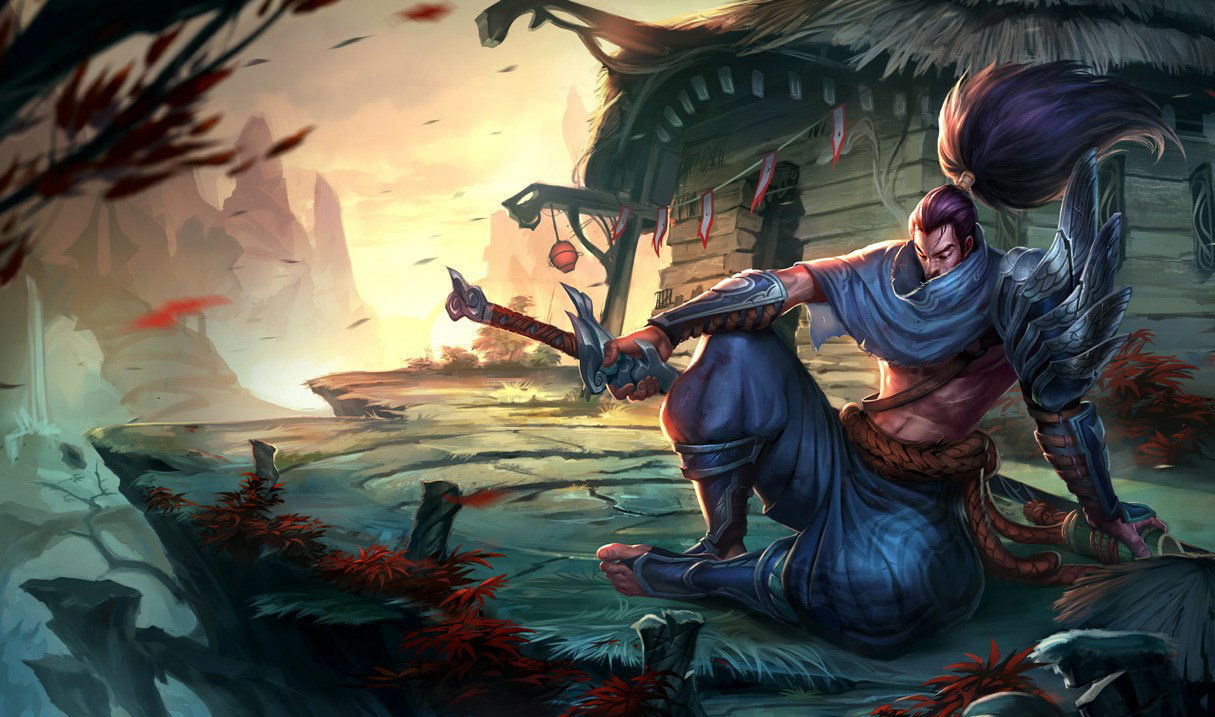
 YASUO REPLAY REVIEW